The Huingo collection originates from an interest in working with the shell of an Amazonian fruit traditionally used to produce bowls and everyday objects.
My first encounter with this material came through pieces exhibited at the Ruraq Maki fair, held at the National Theater in Lima, where objects made from huingo also known as pate, calabash, or bowl depending on the region were presented.
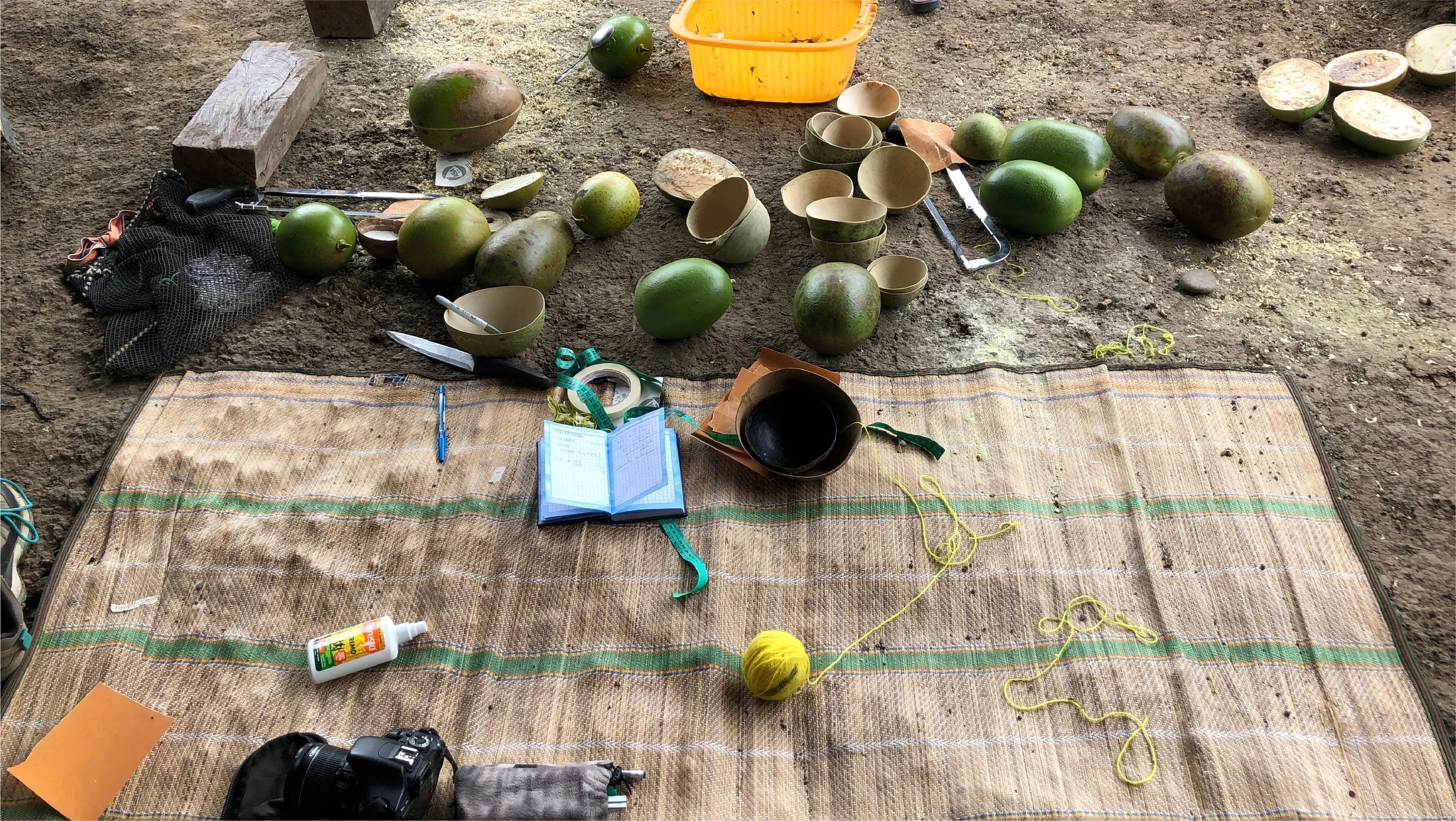
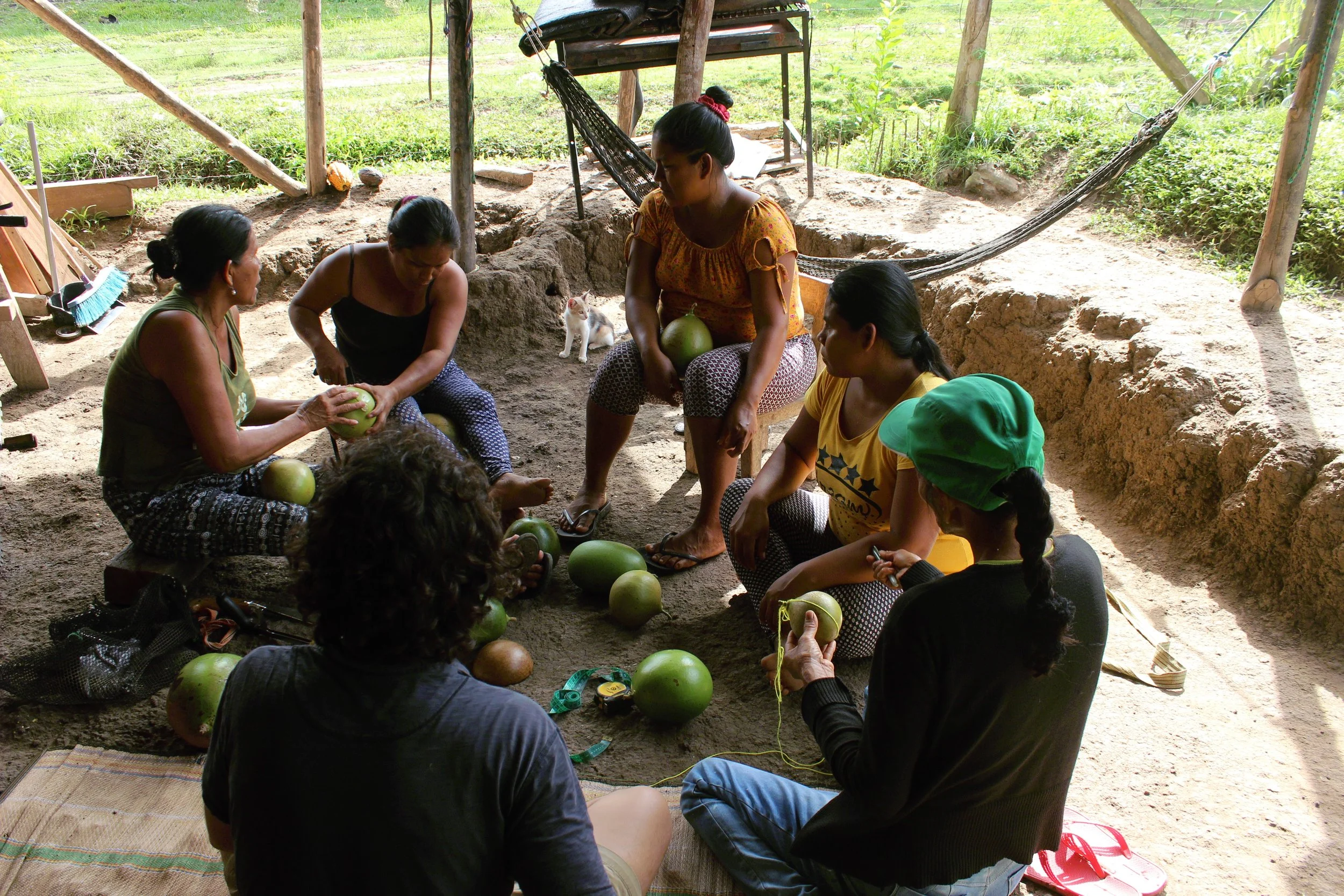
In 2020, I decided to further develop this interest and presented the Huingo project to Grupo Bosques, an initiative linked to the Peruvian Ministry of Foreign Trade and Tourism (MINCETUR), focused on promoting sustainable practices in communities in the Tarapoto region, including Copal Sacha and Chirick Sacha.
Through this collaboration, I had the opportunity to work directly with these communities, visit them, and develop workshops that advanced the creation of the collection. The objective of the project was clear: to refine the traditional finish of huingo and translate it into an object suited for the contemporary home.
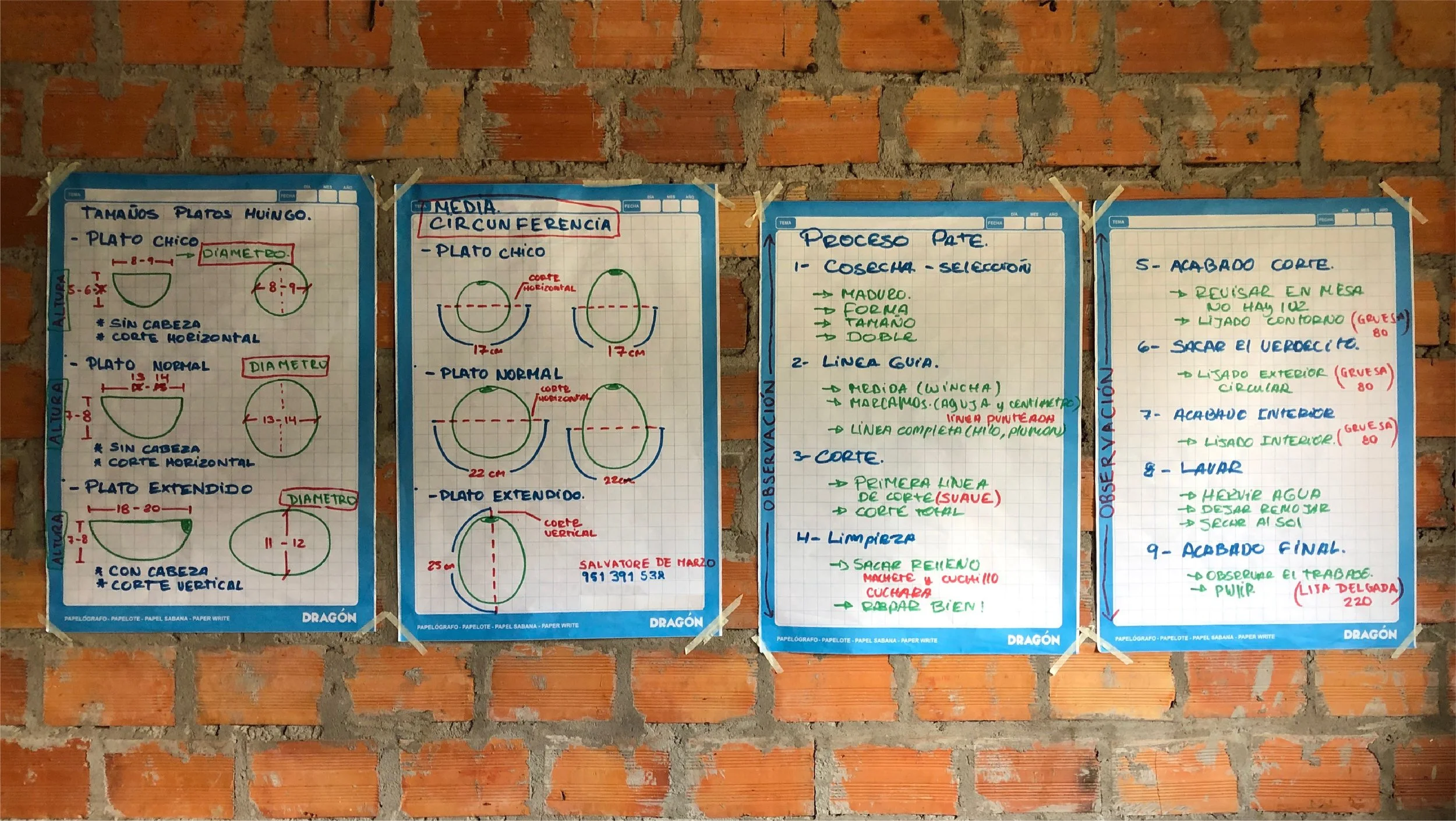
This involved working not only on form, but also on process.
From the selection of the fruit during harvest to the final production stage, three defined sizes were established: small, regular, and extended. At the same time, new processes were introduced, including cleaning, edge sanding, and the application of a natural finish, allowing the pieces to become both functional and durable.
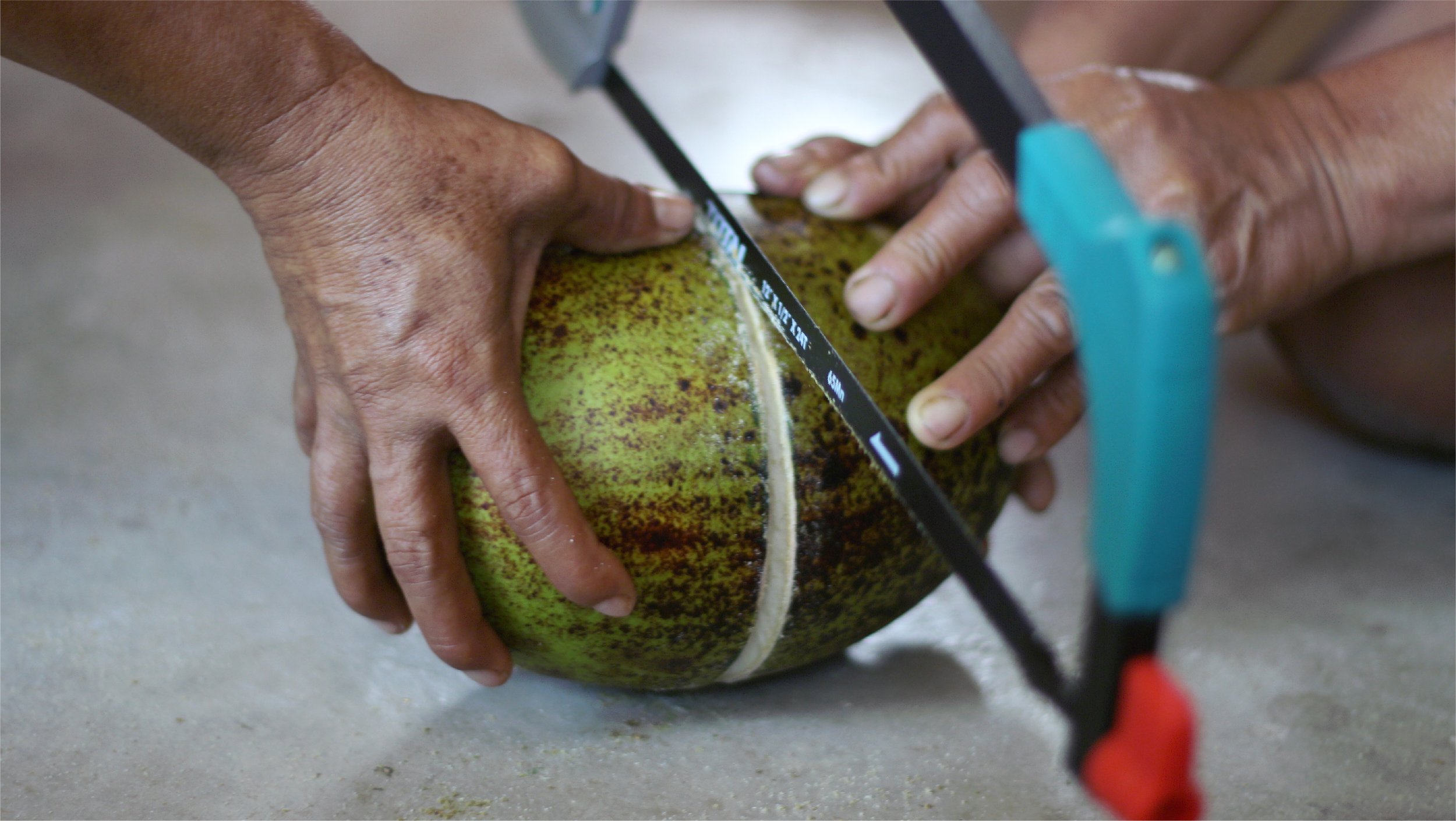
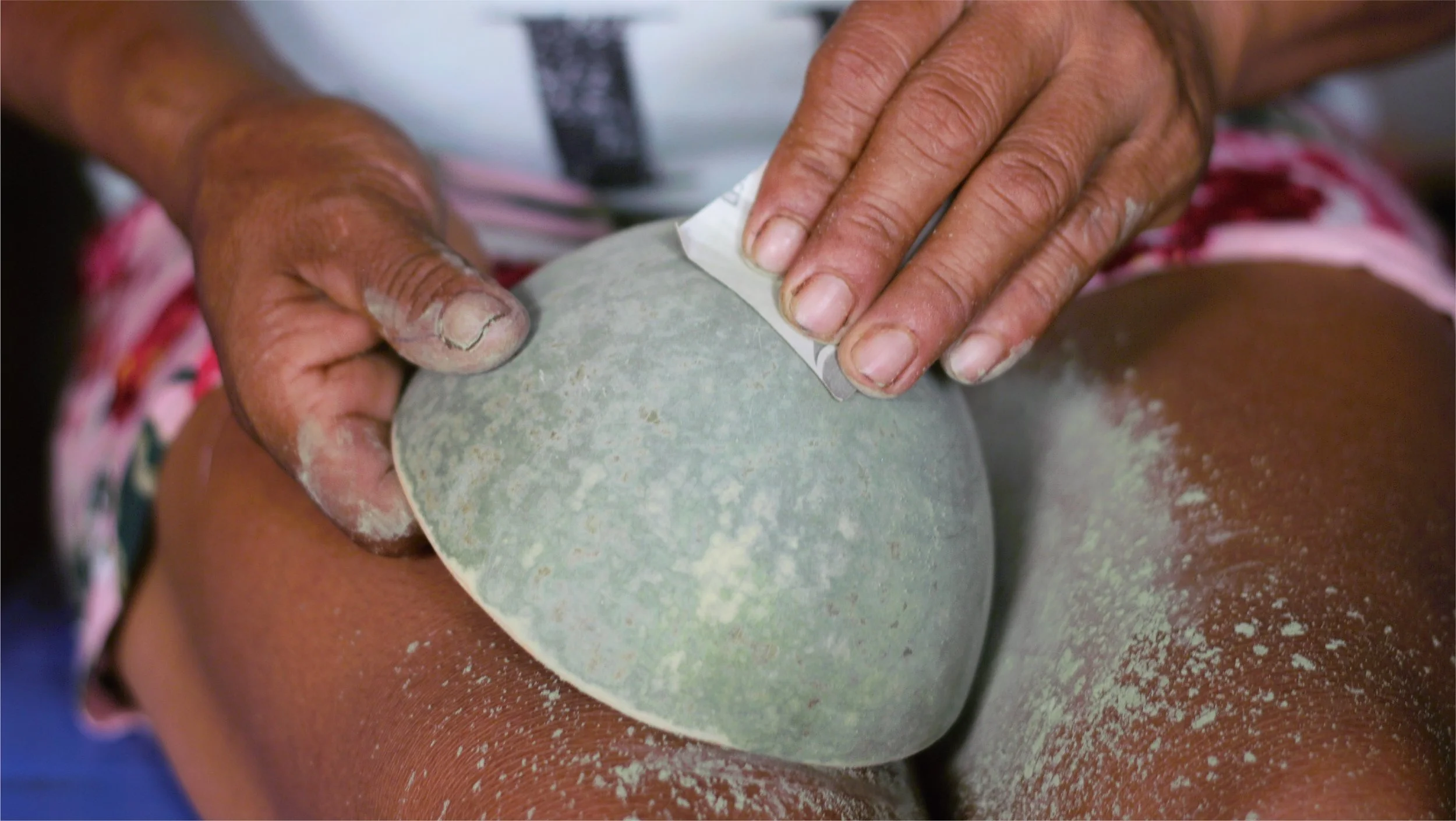
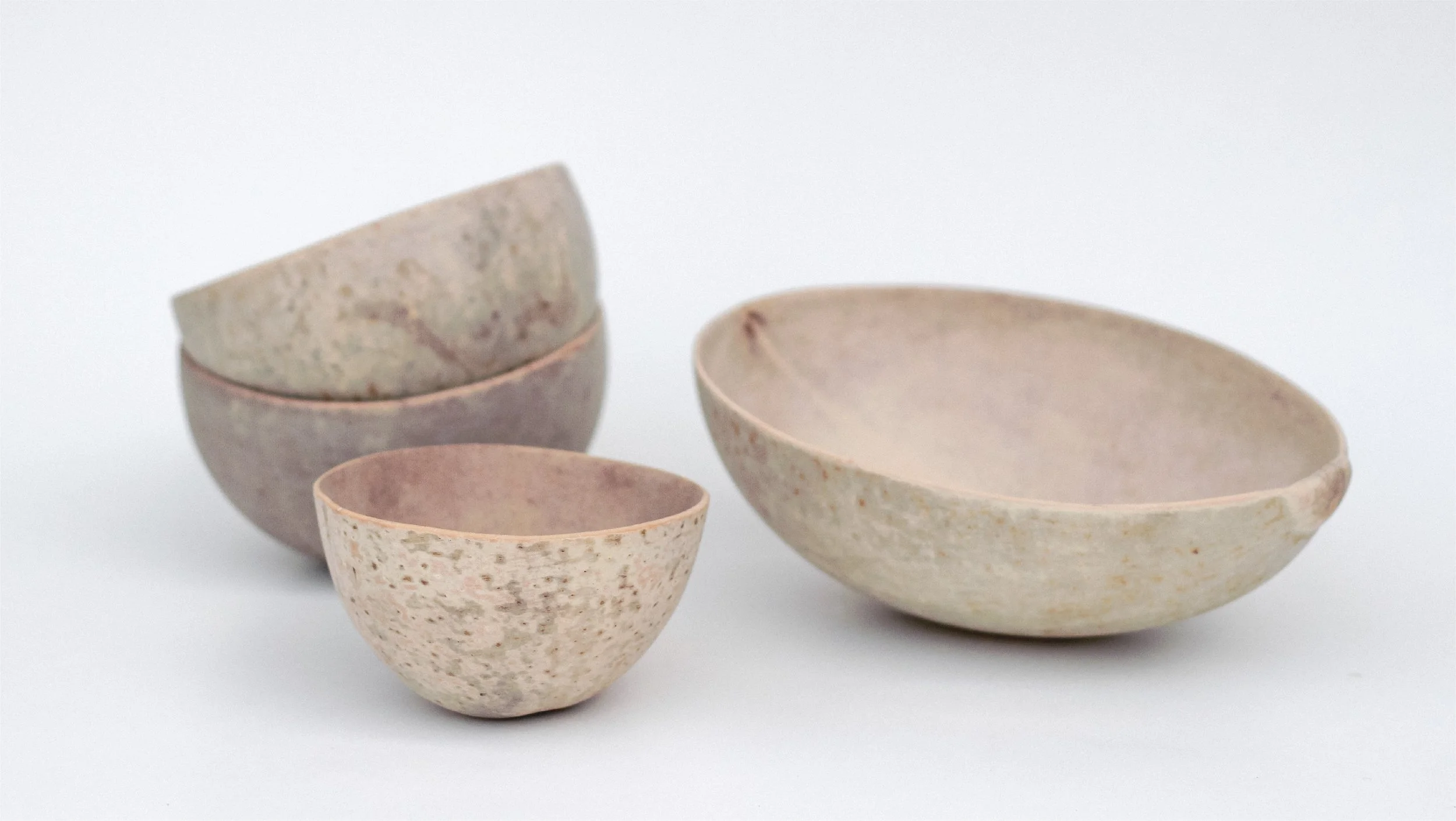
The collection is built on this balance between tradition and technical refinement.
More than a formal reinterpretation, Huingo reflects a way of working where design engages with the material, understands its limitations, and enhances its qualities, while maintaining a direct connection with the people who produce it.